The Challenge
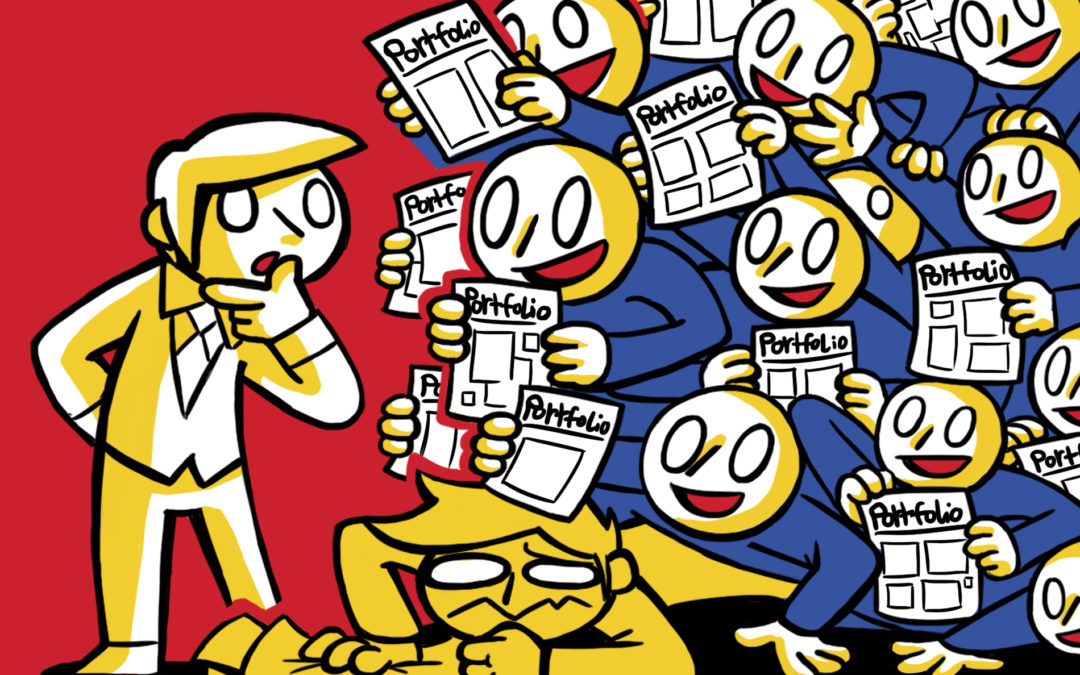
It’s commonplace for independent creatives to serve small businesses and nonprofits. But, it can be difficult to attract clients when so many designers compete in the same sectors. And while it may be easier to sell to them, these organizations may lack funding to hire you and pay a fair market rate for your expertise. So what’s the alternative? Pursue a strategy to develop an untapped, niche market for your creative talents and services instead.
The Opportunity
A best practice for developing a thriving creative business is to focus on a specialty market and hone your creative skills to a level of expertise that is difficult to copy. There are successful creatives that follow this approach like Jennifer May, a food and portrait photographer with photography credits in over 25 cookbooks and counting. Or Chank Diesel, an artist who specializes in designing fonts. He crafts fonts from scratch that are used to title books, buildings and films.
It’s possible for you to adopt this practice, too. You can narrow your focus, develop extraordinary expertise, and build a remarkable reputation. It starts with viewing a small marketplace through the lens of your unique expertise. Challenge yourself to find a difficult design, marketing or sales problem that businesses in this niche will gladly pay to solve.
Develop Specialized Skills & Expertise
In what domains do you possess unique knowledge and expertise? Beyond your creative skills, do you have an in-depth understanding of a specialized marketplace? Are you able to empathize with the players in it including business leaders and their respective customers?
When you review your career experiences consider what type of specialized knowledge you’ve learned and acquired on the job. Do you have experience in any of these business sectors that could lead you to find new clients?
- Media
- Publishing
- Information Industry
- Health Care
- Science and Technology
- Finance
- Education
- Manufacturing and Construction
- Hospitality
- Retail
- Agriculture
- Automotive
- Energy
- Entertainment Industry
- Food Industry
- Non-profits
Another angle to consider is your design skill set. Do you possess specialized knowledge or discrete skills that can help you rise up and get noticed?
For example, do you possess exemplary design skills in one of the following?
- Developing visual identity systems
- Design for advertising, marketing and promotions
- Packaging design
- User experience design
- Designing for publications
- Producing art and illustrations for design
- Design for signage and retail environments
Solve Problems
Designers and illustrators are well equipped to solve marketing and business problems. Imagine the business leaders you’ve engaged with and consider the jobs they’re responsible for. What do these prospective clients hope to gain from working with you? For example, marketing executives might have challenges to improve brand awareness or drive sales or contribute to the growth of their company. Or they might be seeking deeper engagement with customers and desire to foster more loyalty or brand advocacy.
Further, consider what kind of pains are keeping these marketers from achieving their goals? Maybe they need stronger stories and design solutions to differentiate themselves from their competition. Maybe there has been a regulatory change in their marketplace and they need to adapt and tell a new story to their customers. How can you step in with your expertise, knowledge and creative skills to help them achieve their business goals?